
How Can a Residential Modular House Meet Modern Living Needs?
Article Summary
Residential modular houses have transformed the construction industry by offering faster build times, reduced costs, and flexible design options without compromising quality. This guide explores the benefits, selection criteria, design considerations, and common challenges associated with residential modular homes. It also highlights how Cymdin provides high-quality modular housing solutions to meet both personal and commercial residential demands. By understanding the technical, economic, and practical aspects of modular construction, homeowners and developers can make informed decisions and achieve sustainable, efficient, and aesthetically pleasing results.
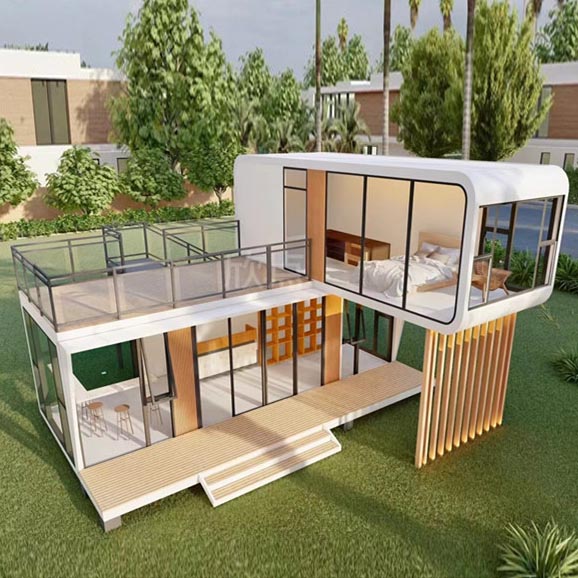
Table of Contents
- Overview of Residential Modular Houses
- Common Customer Pain Points
- Types of Residential Modular Houses
- How to Choose the Right Modular House
- Construction Process and Key Performance Factors
- Comparison Table of Modular House Features
- Quality Assurance and Longevity
- Applications and Ideal Use Cases
- Frequently Asked Questions
- Conclusion and Contact Us
Overview of Residential Modular Houses
A residential modular house is a prefabricated building that is manufactured in sections, called modules, in a factory setting and then transported to the construction site for assembly. Unlike traditional construction, modular houses allow simultaneous site preparation and module fabrication, significantly reducing project timelines.
Modern modular houses combine durable materials, efficient design, and customizable layouts to meet contemporary residential needs. Cymdin specializes in producing modular homes with advanced engineering, ensuring structural stability, energy efficiency, and stylish design.
Common Customer Pain Points
While modular houses offer numerous advantages, customers often encounter specific challenges during selection, construction, or post-installation.
- Concerns about long-term durability and maintenance
- Limited design customization compared to traditional construction
- Misalignment with local building codes or zoning regulations
- Transportation restrictions for large modules
- Perceived lower resale value compared to conventional houses
- Integration of utilities and infrastructure on-site
Addressing these challenges early with a reliable supplier like Cymdin ensures smoother project execution and better satisfaction.
Types of Residential Modular Houses
Residential modular houses vary based on construction materials, design approaches, and assembly methods.
- Wood-Based Modular Houses – Lightweight, flexible design, suitable for varied climates
- Steel Frame Modular Houses – High durability and resistance to weather conditions
- Concrete Modular Houses – Fire-resistant, excellent sound insulation
- Hybrid Modular Houses – Combines multiple materials for optimized performance
How to Choose the Right Modular House
Selecting the appropriate modular house requires evaluating multiple factors to match personal needs and site conditions.
- Project budget and financing options
- Local climate and environmental conditions
- Plot size and site accessibility
- Required number of rooms and interior layout preferences
- Energy efficiency, insulation, and sustainability requirements
- Compliance with local construction regulations and zoning
Cymdin provides consultation services to guide clients through material selection, design options, and regulatory compliance, ensuring an optimized modular home solution.
Construction Process and Key Performance Factors
The construction process of a modular house involves several controlled steps, ensuring consistent quality and faster delivery.
- Factory-based module production with precision engineering
- Simultaneous site preparation to reduce total build time
- Transportation of modules with careful handling to avoid structural damage
- On-site assembly and integration of utilities
- Final inspection, finishing, and quality testing
Key performance factors include structural integrity, thermal insulation, acoustic performance, and energy efficiency. Consistent monitoring at each stage guarantees a high-standard residential product.
Comparison Table of Modular House Features
| Type | Construction Material | Key Advantages | Ideal Use Cases |
|---|---|---|---|
| Wood-Based | Wood Frames | Flexible design, lightweight, cost-effective | Residential neighborhoods, rural homes |
| Steel Frame | Steel Structure | High durability, weather-resistant | Urban areas, multi-story modular houses |
| Concrete | Precast Concrete Panels | Fire-resistant, excellent insulation | High-end residential, sound-sensitive areas |
| Hybrid | Combination of Wood, Steel, Concrete | Optimized performance, versatile design | Customized residential solutions, energy-efficient homes |
Quality Assurance and Longevity
Quality assurance is essential to ensure that a modular house maintains performance over time. This includes inspection of raw materials, adherence to engineering standards, structural testing, and verification of energy efficiency.
Cymdin applies strict quality control protocols, ensuring that each residential modular house meets high safety, durability, and comfort standards. Long-term maintenance and sustainability are prioritized through resilient construction materials and design optimization.
Applications and Ideal Use Cases
Residential modular houses are versatile and suitable for multiple scenarios:
- Private residential homes with flexible layouts
- Vacation homes and temporary residences
- Affordable housing projects
- Urban infill developments requiring quick construction
- Disaster relief or emergency housing solutions
Frequently Asked Questions
Are modular houses as durable as traditional houses?
Yes. When built with quality materials and proper assembly, modular houses are structurally equivalent to conventional homes.
Can I customize the design of a modular house?
Absolutely. Modern modular houses offer flexible layouts, finishes, and material choices tailored to client needs.
How long does it take to build a modular house?
Depending on size and complexity, modular houses can be completed in weeks rather than months due to simultaneous site and module preparation.
Do modular houses comply with local building codes?
Yes. Reputable manufacturers like Cymdin ensure all designs meet or exceed regional building regulations.
Conclusion and Contact Us
Residential modular houses offer innovative solutions for modern living, combining efficiency, cost-effectiveness, and design flexibility. Understanding types, selection criteria, and construction processes helps homeowners and developers make informed decisions while minimizing risks.
Cymdin provides high-quality residential modular house solutions backed by technical expertise, precise manufacturing, and reliable service. To explore customizable modular housing options, improve construction efficiency, or receive professional guidance for your next project, contact us today and discover how Cymdin can deliver your ideal modular home.