
How Industrial Modular Housing Solves Fast and Flexible Housing Needs for Modern Industries?
Article Summary
Industrial development, large-scale construction projects, and remote worksites often require housing solutions that can be deployed quickly while maintaining safety, durability, and comfort. Industrial Modular Housing has emerged as a practical answer to these challenges. By manufacturing housing units in controlled factory environments and assembling them on-site, companies can significantly reduce construction time, control costs, and improve overall building quality.
This article explains how industrial modular housing works, the challenges it solves for businesses, its key structural features, and how companies can choose the right modular housing solution for industrial projects.
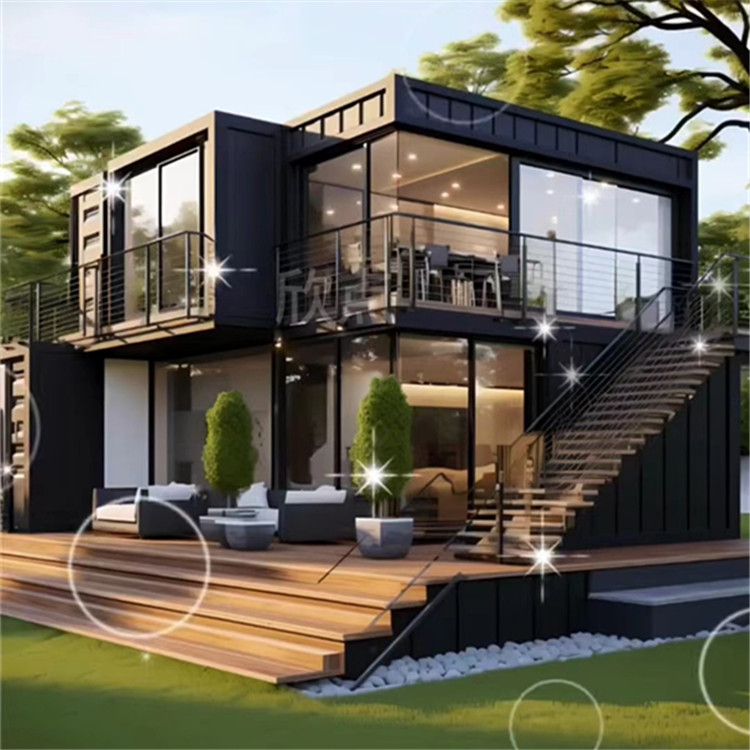
Table of Contents
- Introduction to Industrial Modular Housing
- Common Challenges in Traditional Industrial Housing
- How Industrial Modular Housing Works
- Main Structural Components of Modular Housing
- Key Advantages for Industrial Projects
- Typical Application Scenarios
- Comparison: Modular Housing vs Traditional Construction
- How to Choose the Right Industrial Modular Housing Supplier
- Frequently Asked Questions
- Conclusion
Introduction to Industrial Modular Housing
Industrial Modular Housing refers to prefabricated housing units that are manufactured off-site and transported to the project location for assembly. Instead of constructing a building entirely on-site, modular housing divides the structure into standardized modules that are built in a factory environment and then installed at the final location. :contentReference[oaicite:0]{index=0}
These modules may include integrated electrical systems, plumbing, insulation, doors, and windows before delivery. Once transported to the installation site, cranes and specialized equipment position the modules onto prepared foundations where they are connected to form a complete structure. :contentReference[oaicite:1]{index=1}
Industrial modular housing is widely used in construction camps, mining operations, energy projects, manufacturing zones, and remote workforce accommodations. Its flexibility and speed make it an ideal option when housing infrastructure must be deployed quickly.
Common Challenges in Traditional Industrial Housing
Before modular housing solutions became widely adopted, many industrial projects relied on conventional building methods. However, these approaches often create several operational difficulties.
- Long Construction Time – Traditional building processes often take months or years to complete.
- Weather Delays – Outdoor construction is heavily affected by rain, snow, and extreme temperatures.
- High Labor Requirements – On-site construction requires large teams and complex project coordination.
- Budget Overruns – Unexpected delays and material waste frequently increase project costs.
- Remote Location Limitations – Remote industrial sites may lack local construction resources.
For industries operating in time-sensitive environments such as oil fields, infrastructure development, or emergency projects, these limitations can significantly delay operations and increase costs.
How Industrial Modular Housing Works
Industrial modular housing follows a streamlined construction process designed to maximize efficiency and minimize disruption.
Step 1: Design and Engineering
Engineers and architects develop modular designs that meet building regulations and project requirements. The modular layout allows flexible configurations such as stacked units, side-by-side installations, or expandable housing blocks.
Step 2: Factory Manufacturing
Most of the construction takes place in a factory-controlled environment where modules are assembled using standardized processes. This approach ensures consistent quality control and minimizes material waste.
In many projects, between 60% and 90% of the building construction is completed before modules leave the factory. :contentReference[oaicite:2]{index=2}
Step 3: Transportation
After manufacturing, modules are transported to the project location using trucks or specialized trailers. Protective packaging ensures structural safety during delivery.
Step 4: On-Site Assembly
Once on-site preparation and foundation work are complete, cranes place the modules into position. Workers then connect structural joints, utilities, and finishing systems to complete the housing facility.
Because site preparation and module manufacturing occur simultaneously, modular construction projects can be completed 30% to 50% faster than traditional building methods. :contentReference[oaicite:3]{index=3}
Main Structural Components of Industrial Modular Housing
Although designs may vary depending on the project requirements, most industrial modular housing systems consist of several standardized structural components.
| Component | Description | Purpose |
|---|---|---|
| Steel Frame Structure | High-strength structural frame supporting the entire module | Ensures durability and transportation stability |
| Wall Panels | Insulated panels made from composite materials | Provides thermal insulation and weather protection |
| Roof System | Weather-resistant roofing structure | Prevents water infiltration and heat loss |
| Integrated Utilities | Electrical wiring, plumbing, and HVAC systems | Allows immediate operational readiness |
| Interior Finishing | Flooring, lighting, doors, and furniture options | Improves comfort and functionality |
Key Advantages for Industrial Projects
Industrial modular housing offers several strategic advantages for companies operating in fast-paced environments.
1. Faster Project Deployment
Because modules are produced off-site while foundations are prepared on-site, the total construction schedule can be significantly shortened. This allows companies to deploy workforce housing quickly and begin operations earlier.
2. Cost Efficiency
Modular housing projects often reduce overall construction costs due to optimized material usage, reduced labor requirements, and shorter project timelines.
Some studies show modular buildings can be up to 20% less expensive than traditional structures. :contentReference[oaicite:4]{index=4}
3. Consistent Construction Quality
Factory-controlled manufacturing environments allow strict inspection and standardized production processes. This ensures reliable structural quality and compliance with building codes.
4. Flexibility and Scalability
Modular housing units can easily be expanded, relocated, or reconfigured to accommodate changing workforce needs. Modules can be stacked or extended to create larger living spaces or operational facilities.
5. Reduced Environmental Impact
Factory-based manufacturing reduces construction waste and improves material recycling rates. Controlled production environments also minimize site disturbances and environmental disruption.
Typical Application Scenarios
Industrial modular housing is suitable for a wide range of industries and infrastructure projects.
- Construction worker camps
- Mining site accommodation
- Oil and gas workforce housing
- Industrial park dormitories
- Temporary disaster relief housing
- Military and emergency facilities
- Remote engineering project camps
In remote environments where conventional construction is difficult or expensive, modular housing offers a reliable and efficient alternative.
Comparison: Modular Housing vs Traditional Construction
| Factor | Industrial Modular Housing | Traditional Construction |
|---|---|---|
| Construction Speed | 30–50% faster | Longer build cycles |
| Cost Control | More predictable budgets | Higher risk of cost overruns |
| Quality Control | Factory inspection standards | Dependent on site conditions |
| Weather Impact | Minimal influence | Frequent delays |
| Flexibility | Expandable and relocatable | Fixed structures |
How to Choose the Right Industrial Modular Housing Supplier
Selecting a reliable supplier is essential for ensuring project success. When evaluating manufacturers, consider the following factors:
- Engineering and design capabilities
- Manufacturing capacity and quality control systems
- Compliance with international building standards
- Customization flexibility for industrial applications
- Transportation and installation support
- Experience with large-scale modular housing projects
A professional manufacturer can provide tailored modular housing solutions designed specifically for industrial environments.
Frequently Asked Questions
Is industrial modular housing durable?
Yes. Modular housing structures are designed to meet the same engineering and safety standards as traditional buildings. Many modules are reinforced to withstand transportation loads and harsh industrial environments.
How long does it take to install modular housing?
The installation timeline depends on project size, but many modular housing facilities can be assembled within days or weeks after delivery, significantly faster than conventional construction.
Can modular housing be relocated?
Yes. One of the key advantages of modular housing is portability. Units can be dismantled, transported, and reinstalled at new locations when project needs change.
Is modular housing suitable for remote worksites?
Absolutely. Modular housing is widely used in remote areas such as mining camps, energy projects, and infrastructure developments because it requires minimal on-site construction resources.
Conclusion
Industrial Modular Housing is transforming the way companies approach workforce accommodation and temporary infrastructure. With faster construction timelines, predictable costs, flexible configurations, and reliable structural performance, modular housing offers a practical solution for modern industrial projects.
For businesses seeking efficient, scalable, and durable modular housing solutions, Cymdin provides professionally engineered industrial modular housing systems designed to meet demanding project requirements.
If your project requires fast deployment, reliable structures, and customizable housing solutions, contact us today to learn how Cymdin can help you implement high-quality industrial modular housing for your next development.