
Why Should You Consider a Stainless Steel Toll Booth for Modern Infrastructure Needs
Article Summary: Stainless steel toll booths have become a cornerstone of modern highway and urban infrastructure. They offer durability, aesthetic appeal, and low maintenance requirements, which make them an ideal choice for both public and private transportation facilities. In this blog, we explore the advantages, types, installation considerations, and maintenance tips for stainless steel toll booths, while highlighting Cymdin’s advanced solutions for seamless integration. Whether you are planning a new toll facility or upgrading an existing one, this guide provides the insights you need for informed decision-making.
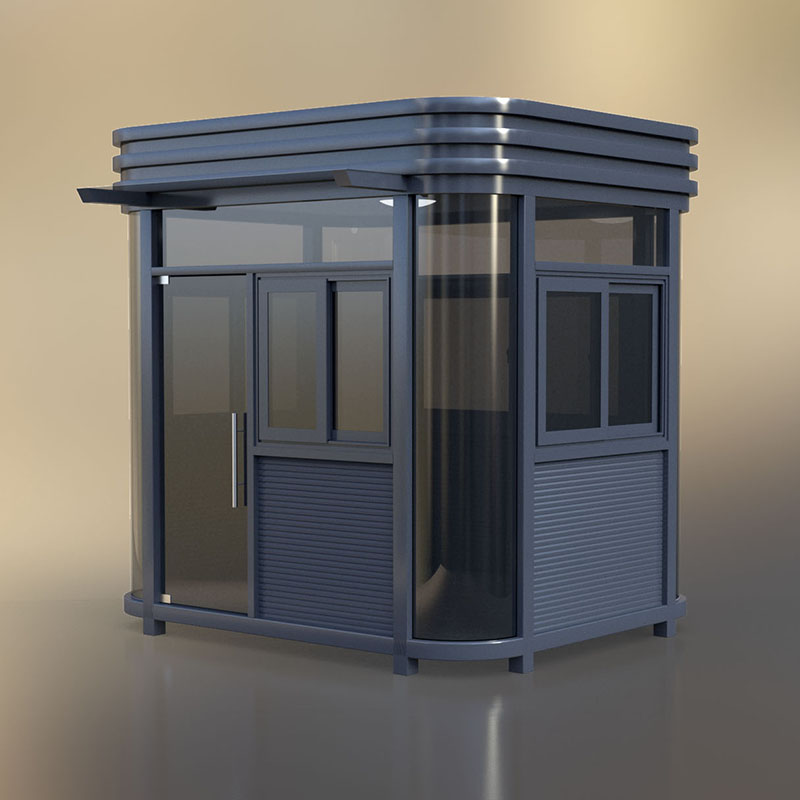
Table of Contents
- Advantages of Stainless Steel Toll Booths
- Types of Stainless Steel Toll Booths
- Design and Installation Considerations
- Materials and Specifications
- Maintenance Tips for Longevity
- Cost Analysis and ROI
- Cymdin Stainless Steel Toll Booth Solutions
- FAQ
- Conclusion
Advantages of Stainless Steel Toll Booths
Stainless steel toll booths are rapidly replacing traditional materials due to their numerous benefits:
- Durability: Resistant to corrosion, weather conditions, and vandalism.
- Low Maintenance: Stainless steel surfaces require minimal cleaning and upkeep.
- Aesthetic Appeal: Sleek and modern appearance enhances urban infrastructure.
- Security: Provides a robust environment for toll operators and automated systems.
- Eco-Friendly: Recyclable material reduces environmental impact.
Types of Stainless Steel Toll Booths
Depending on operational needs, stainless steel toll booths can be categorized as follows:
- Manual Toll Booths: Operated by staff, ideal for low-traffic roads.
- Automated Toll Booths: Equipped with sensors and payment machines for seamless traffic flow.
- Hybrid Toll Booths: Combines manual and automated features for flexible operation.
Design and Installation Considerations
When designing or installing a stainless steel toll booth, the following factors must be taken into account:
- Traffic Volume: Determines booth size, number, and automation level.
- Security Requirements: Reinforced structures and surveillance integration.
- Weather Resistance: Proper sealing and corrosion-resistant coatings.
- Accessibility: Adequate spacing for vehicles and pedestrian safety.
- Integration with Toll Systems: Compatible with electronic payment and monitoring software.
Materials and Specifications
Stainless steel toll booths are built using high-grade materials to ensure longevity and reliability. Below is a sample material specification table:
| Component | Material | Specification | Purpose |
|---|---|---|---|
| Exterior Panels | 304 Stainless Steel | 2mm thickness | Durability and corrosion resistance |
| Roof | 316 Stainless Steel | 2.5mm thickness | Weatherproofing and long-term reliability |
| Windows | Tempered Glass | 6mm thickness | Security and visibility |
| Flooring | Stainless Steel Sheet with Anti-Slip Coating | 3mm thickness | Safety and durability |
Maintenance Tips for Longevity
Proper maintenance ensures the longevity and functionality of stainless steel toll booths. Recommended practices include:
- Regular cleaning with non-abrasive solutions.
- Inspecting for rust spots or scratches and applying protective coatings.
- Routine checks on automated systems for optimal performance.
- Seasonal inspection for weather damage or structural integrity issues.
Cost Analysis and ROI
Investing in stainless steel toll booths may seem expensive upfront, but the long-term benefits justify the cost:
| Cost Component | Initial Investment | Maintenance Costs | Estimated ROI (Years) |
|---|---|---|---|
| Manual Booth | $8,000 | $200/year | 5 |
| Automated Booth | $15,000 | $500/year | 6 |
| Hybrid Booth | $12,000 | $350/year | 5.5 |
Cymdin Stainless Steel Toll Booth Solutions
Cymdin provides cutting-edge stainless steel toll booth solutions that meet modern infrastructure demands. Features of Cymdin toll booths include:
- High-quality 304/316 stainless steel construction.
- Customizable design and modular assembly for quick deployment.
- Integrated automated payment systems compatible with global standards.
- Advanced security measures including reinforced windows and CCTV options.
- Energy-efficient LED lighting and climate control for operator comfort.
FAQ
Q1: How long does a stainless steel toll booth last?
A: With proper maintenance, stainless steel toll booths can last 15-20 years, depending on environmental conditions.
Q2: Can stainless steel toll booths withstand extreme weather?
A: Yes, Cymdin stainless steel booths are designed to resist corrosion, heavy rain, snow, and UV exposure.
Q3: Are automated toll booths more cost-effective than manual ones?
A: Although automated booths have a higher initial cost, they reduce labor expenses and improve traffic efficiency, offering a faster ROI.
Q4: Can the toll booths be customized?
A: Yes, Cymdin offers fully customizable designs including size, color, interior layout, and integration with electronic toll systems.
Q5: What maintenance is required?
A: Regular cleaning, inspection of surfaces, and checking automated systems are recommended to maintain functionality and aesthetics.
Conclusion
Stainless steel toll booths offer a modern, durable, and low-maintenance solution for both urban and highway infrastructure. With advanced solutions from Cymdin, you can ensure security, efficiency, and long-term cost-effectiveness for your toll operations. Upgrade your infrastructure with reliable stainless steel toll booths today and experience the benefits firsthand. Contact us to discuss your project requirements and receive a customized solution tailored to your needs.