
How Do Stainless Steel Toll Booths Improve Transportation Operations?
Article Summary: Stainless Steel Toll Booths are critical infrastructures for modern transportation management, providing durability, security, and efficiency. This article explores their specifications, installation processes, and answers common questions about their use. Professionals seeking detailed information on toll booth solutions will find this guide comprehensive and practical.
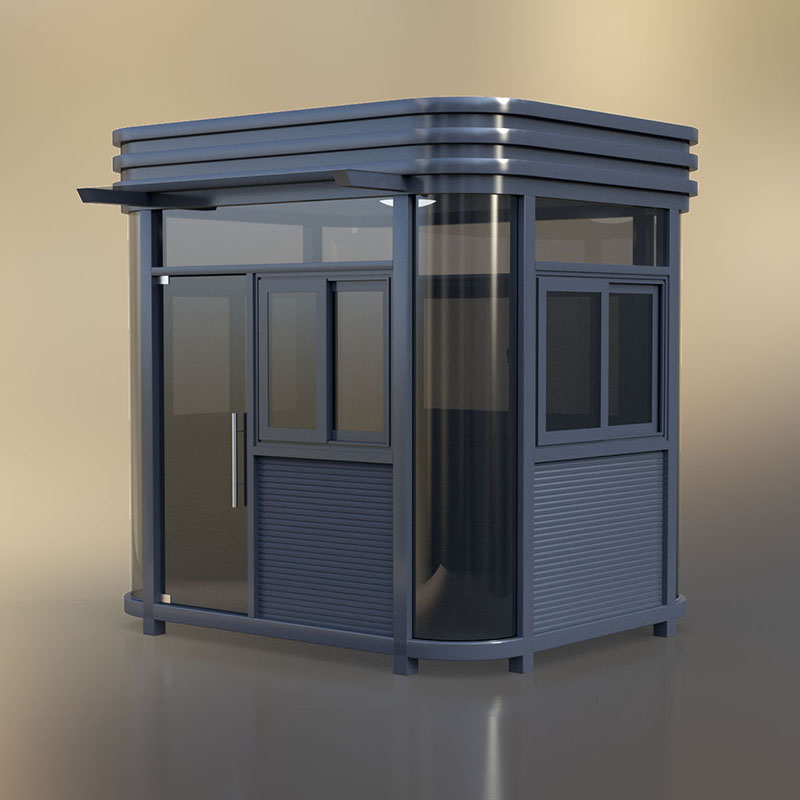
Table of Contents
1. Introduction to Stainless Steel Toll Booths 2. Product Specifications and Key Features 3. Frequently Asked Questions About Stainless Steel Toll Booths 4. Industry Insights and Contact
1. Introduction to Stainless Steel Toll Booths
Stainless Steel Toll Booths serve as essential structures in highways, bridges, parking lots, and urban toll collection points. Designed for long-term durability and ease of maintenance, these booths protect personnel, enhance operational efficiency, and integrate with modern electronic tolling systems.
The central purpose of this article is to provide a detailed understanding of Stainless Steel Toll Booths, including technical specifications, installation guidelines, and answers to commonly asked questions. This information assists facility managers, engineers, and procurement specialists in making informed decisions regarding toll booth selection and deployment.
2. Product Specifications and Key Features
Stainless Steel Toll Booths are engineered for robustness and functionality. Their primary parameters include:
| Parameter | Description |
|---|---|
| Material | 304 or 316 Stainless Steel with corrosion-resistant coating |
| Dimensions | Standard: 1500mm x 1500mm x 2200mm; Customizable upon request |
| Wall Thickness | 1.2mm–2.0mm, depending on structural requirements |
| Window Type | Tempered glass with sliding or fixed options |
| Doors | Single or double-door options with locking mechanisms |
| Roof | Flat or sloped with water drainage and optional solar panel integration |
| Electrical System | Pre-wired lighting, HVAC connections, and optional automation systems |
| Installation Type | Prefabricated modular design, suitable for rapid on-site assembly |
These booths can be equipped with additional modules such as automated ticket dispensers, RFID readers, or surveillance cameras depending on the deployment environment.
3. Frequently Asked Questions About Stainless Steel Toll Booths
Q1: How long does a stainless steel toll booth typically last?
A1: With proper maintenance, stainless steel toll booths can last 15–25 years. The corrosion-resistant properties of 304 or 316 stainless steel prevent rusting in outdoor environments. Routine inspections of door locks, glass panels, and roof seals further extend operational lifespan.
Q2: How can these booths be installed efficiently in busy traffic zones?
A2: Prefabricated modular design allows rapid installation with minimal traffic disruption. Booths can be delivered in sections and assembled on-site within 1–2 days per unit. Advanced scheduling and temporary lane management ensure safety and minimal operational impact during installation.
Q3: How do stainless steel toll booths integrate with automated toll systems?
A3: These booths can accommodate RFID readers, license plate recognition cameras, and automated ticket dispensers. Electrical and communication conduits are pre-wired during manufacturing to allow seamless integration with existing toll collection networks. Maintenance panels are included to facilitate system upgrades without structural modifications.
4. Industry Insights and Contact
Stainless Steel Toll Booths are increasingly adopted for urban infrastructure projects due to their durability, security, and compatibility with smart traffic management systems. Future trends focus on modular designs, energy-efficient components, and integration with AI-based toll and traffic monitoring systems.
Leading providers such as Cymdin offer a comprehensive range of stainless steel toll booth solutions suitable for highways, parking facilities, and urban tolling points. For more detailed inquiries or customized solutions, contact us directly to receive personalized consultation and professional support.