
How Does Commercial Modular Housing Transform Construction Projects?
Abstract: Commercial Modular Housing is reshaping the construction landscape by providing faster, cost-effective, and environmentally-friendly building solutions. This article delves into the product specifications, applications, and frequently asked questions, offering a comprehensive guide for businesses considering modular construction solutions.
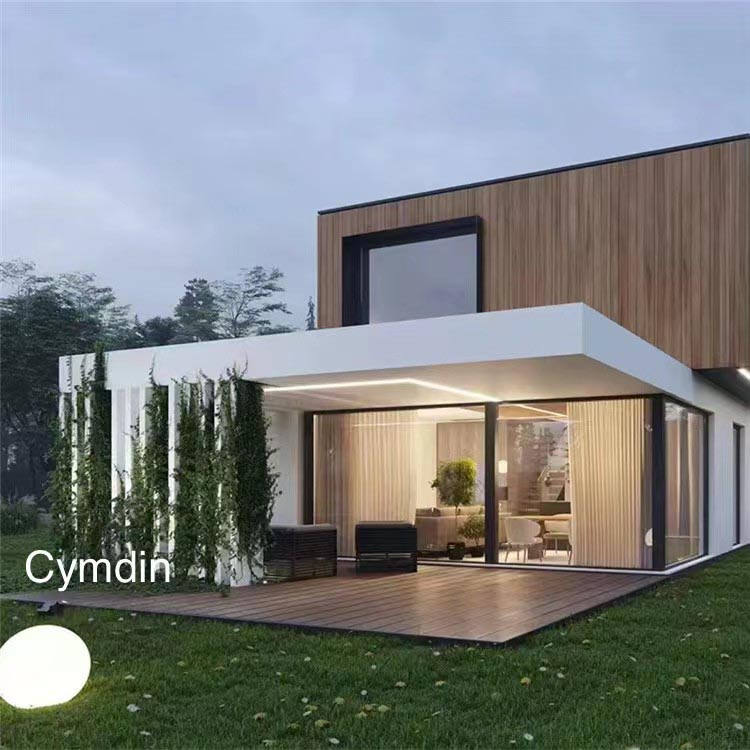
Table of Contents
1. Introduction to Commercial Modular Housing 2. Product Specifications and Features 3. Common Questions About Commercial Modular Housing 4. Industry Applications and Future Trends 5. Conclusion and Contact Information
1. Introduction to Commercial Modular Housing
Commercial Modular Housing refers to prefabricated building units that are manufactured off-site and assembled on-site to form commercial structures such as offices, hotels, retail spaces, and educational facilities. These modular units are constructed under controlled factory conditions, ensuring consistent quality, reduced waste, and faster construction timelines. The primary focus of this article is to explain how Commercial Modular Housing can optimize construction projects, reduce costs, and support sustainable practices.
Commercial Modular Housing offers businesses an adaptable solution for expanding infrastructure without the limitations of traditional construction methods. By leveraging modular technology, companies can achieve scalable, flexible, and durable structures that meet modern operational demands.
2. Product Specifications and Features
The technical specifications of Commercial Modular Housing play a crucial role in its selection for commercial projects. Below is a detailed overview of the standard parameters:
| Parameter | Specification |
|---|---|
| Module Size | Standard: 3m x 6m, 3m x 12m; Custom sizes available |
| Material | Steel frame, high-grade composite panels, insulated walls |
| Floor Load Capacity | 5 kN/m² |
| Roof Type | Flat roof with waterproof coating, optional sloped roof |
| Insulation | Polyurethane panels with R-value 4.0–6.0 |
| Doors & Windows | Aluminum frame, double-glazed windows, fire-rated doors |
| Electrical System | Pre-wired with modular junction boxes and energy-efficient fittings |
| Plumbing | Pre-installed piping for water, drainage, and optional HVAC connections |
| Assembly Time | Typically 3–6 weeks per 1000 m² structure |
| Durability | Designed for 50+ years lifespan with minimal maintenance |
Commercial Modular Housing allows for highly customizable designs while maintaining strict structural and safety standards. This ensures that every modular unit can be tailored to specific business needs while adhering to building regulations.
3. Common Questions About Commercial Modular Housing
Q1: How long does it take to construct a commercial modular building?
A1: Construction time is significantly reduced compared to conventional methods. Prefabricated modules are manufactured off-site while site preparation occurs simultaneously. On average, a 1000 m² commercial structure can be completed within 3–6 weeks depending on complexity and site conditions.
Q2: How durable is Commercial Modular Housing compared to traditional construction?
A2: Commercial Modular Housing is designed to meet or exceed local building codes. The steel frame and reinforced panels ensure long-term stability and resistance to environmental stressors. With proper maintenance, these structures can have a lifespan of over 50 years.
Q3: How customizable are modular commercial buildings?
A3: Modular buildings offer a high degree of flexibility. Floor plans, room configurations, finishes, and mechanical systems can be tailored to business requirements. Modular units can also be stacked or expanded in the future, providing scalability without major structural alterations.
Q4: How does modular construction impact sustainability?
A4: Modular construction reduces waste through precise manufacturing and optimized material usage. Factory-controlled environments minimize energy consumption and allow for recycling of excess materials. Additionally, energy-efficient insulation and systems improve the building's operational sustainability.
Q5: How cost-effective is Commercial Modular Housing?
A5: While initial per-unit costs may be comparable to conventional construction, savings arise from reduced labor, shorter project timelines, and lower on-site resource requirements. Businesses often experience faster ROI due to operational readiness achieved in weeks rather than months.
4. Industry Applications and Future Trends
Commercial Modular Housing is increasingly adopted in various industries due to its flexibility, speed, and sustainability benefits. Key applications include:
- Office Buildings: Modular units allow rapid expansion of office spaces without disrupting operations.
- Hotels and Hospitality: Prefabricated rooms reduce construction timelines and ensure uniform quality.
- Educational Facilities: Modular classrooms provide scalable solutions for rapidly growing student populations.
- Retail and Commercial Spaces: Pop-up stores and temporary facilities can be efficiently deployed using modular structures.
Future trends indicate growing adoption of smart modular systems with integrated IoT technologies for building management, energy monitoring, and automated maintenance. Companies are also exploring hybrid modular approaches that combine traditional construction for foundations with prefabricated upper structures for efficiency.
5. Conclusion and Contact Information
Commercial Modular Housing represents a transformative approach to construction, combining efficiency, adaptability, and sustainability. With detailed specifications, scalable designs, and proven durability, modular buildings are an ideal solution for businesses seeking rapid expansion and cost-effective infrastructure. Cymdin specializes in delivering high-quality Commercial Modular Housing solutions tailored to diverse commercial needs. For inquiries or project consultations, contact us today to explore how modular construction can enhance your business operations.