
How Does an Outdoor Mobile Toilet Solve Sanitation Challenges in Open Spaces?
Article Summary
Outdoor mobile toilets are an essential sanitation solution in numerous outdoor environments where traditional fixed restrooms are unavailable or impractical. This article analyzes the key considerations that event planners, sites managers, and general users face when planning for outdoor sanitation. Practical guidance is provided on features, performance expectations, site-related challenges, and selection criteria to ensure comfort, hygiene, and cost-effectiveness in outdoor settings. Emphasis is placed on real-world user needs and operational factors that impact overall satisfaction.
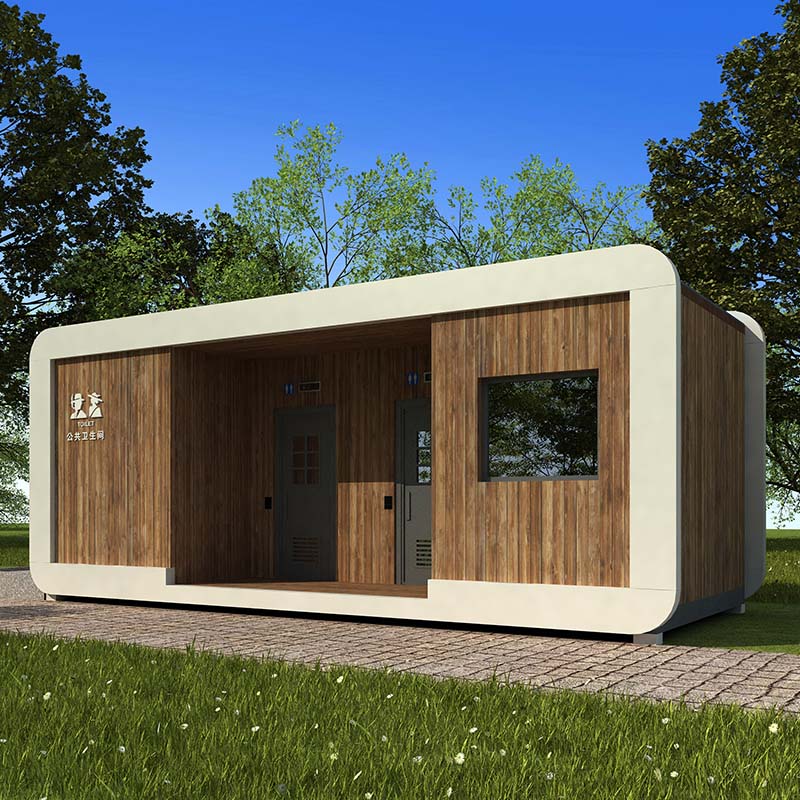
Table of Contents
- Introduction to Outdoor Mobile Toilet Use Cases
- Key Considerations When Selecting an Outdoor Mobile Toilet
- Typical Features and Specifications
- Installation Logistics and Operational Tips
- Frequently Asked Questions
- Conclusion and Contact Guidance
Introduction to Outdoor Mobile Toilet Use Cases
Outdoor mobile toilets are self-contained units designed to provide functional sanitation where permanent restroom infrastructure is unavailable. Unlike traditional fixed restrooms, these units do not require sewer or plumbing connections, making them adaptable across diverse contexts such as public events, construction sites, parks, street festivals, and seasonal outdoor markets. These portable sanitation solutions enhance attendee comfort, maintain hygiene standards, and enable compliance with public health expectations in temporary or semi-permanent settings. :contentReference[oaicite:0]{index=0}
Key Considerations When Selecting an Outdoor Mobile Toilet
Evaluating the right outdoor mobile toilet solution begins with understanding contextual demands and user expectations. Some factors to assess include:
- Expected usage volume and event duration
- Accessibility requirements, including ADA considerations
- Hygiene and sanitation needs
- Budget constraints and service frequency
- Environmental conditions and placement logistics
Quantifying these variables before procurement helps align the chosen solution with practical requirements, reduces potential service gaps, and improves overall user experience.
Typical Features and Specifications
The following table outlines common features and design considerations found in modern outdoor mobile toilets:
| Feature Category | Design and Functionality |
|---|---|
| Build Material | High-density polyethylene (HDPE) or similar weather-resistant materials for durability and ease of cleaning. :contentReference[oaicite:1]{index=1} |
| Waste Management | Self-contained holding tanks with odor control and chemical treatment options for sanitation. :contentReference[oaicite:2]{index=2} |
| Mobility | Lightweight design enabling easy positioning, relocation, and service access. :contentReference[oaicite:3]{index=3} |
| Accessibility | Optional ADA-compliant ramps and wider doorways. :contentReference[oaicite:4]{index=4} |
| Ventilation | Built-in vents or passive airflow systems to control odor. :contentReference[oaicite:5]{index=5} |
| Additional Amenities | Hand-washing stations, foot-operated flushing, lighting, and coat hooks. :contentReference[oaicite:6]{index=6} |
Modern mobile toilets can range from basic, no-frills units to models with luxury amenities depending on event requirements and user expectations.
Installation Logistics and Operational Tips
Planning and installing outdoor mobile toilets requires attention to site layout and user flow. Key logistical points include:
- Positioning units in accessible, visible locations to minimize walking distance for users.
- Ensuring stable, level ground to avoid tipping or instability.
- Scheduling regular servicing for waste removal and cleaning to avoid overflow and odor buildup.
- Providing clear signage for restroom locations, particularly at large events or multi-zone sites.
Proper placement and service planning not only improve functionality but also reflect positively on event management or site operations.
Frequently Asked Questions
Q: What distinguishes an outdoor mobile toilet from a permanent restroom?
A: Outdoor mobile toilets are self-contained sanitation units that operate independently of plumbing systems, offering flexibility for temporary or remote locations. They are designed for easy relocation, require minimal infrastructure, and use sealed tanks with odor control solutions. :contentReference[oaicite:7]{index=7}
Q: How often should portable toilets be serviced?
A: Service frequency depends on expected usage and event duration. For high-traffic applications, daily servicing is often recommended, while lower-use environments may require less frequent maintenance. Regular service prevents odor buildup and maintains hygiene standards. :contentReference[oaicite:8]{index=8}
Q: Are mobile toilets suitable for long-term outdoor installations?
A: Yes. Units constructed from weather-resistant materials such as HDPE or reinforced panels can withstand prolonged outdoor exposure when properly maintained. Placement considerations include sun, wind, and stability factors to ensure long-term performance. :contentReference[oaicite:9]{index=9}
Q: Can outdoor mobile toilets accommodate accessibility needs?
A: Many mobile toilet models offer ADA-compliant designs with wider doorways, ramps, and interior grab bars to ensure inclusive access for users with mobility challenges. :contentReference[oaicite:10]{index=10}
Conclusion and Contact Guidance
Outdoor sanitation challenges can significantly impact user satisfaction and operational success in open spaces ranging from festivals and sporting events to remote work sites and public parks. Selecting the right outdoor mobile toilet solution — one that balances durability, hygiene features, accessibility, and operational logistics — addresses core pain points such as waiting lines, sanitation concerns, and user comfort.
Cymdin is a trusted provider of outdoor mobile toilets engineered to meet diverse site requirements. For tailored recommendations, service packages, or project-specific configurations, contact us to discuss your sanitation needs and receive professional support.