
How Can Residential Modular Houses Transform Modern Living?
Article Abstract
Residential Modular Houses offer innovative solutions for modern homeowners seeking speed, flexibility, and sustainability in construction. This article explores their structural design, cost efficiency, environmental benefits, and practical considerations for installation. Detailed product parameters, common challenges, and solutions are provided to guide informed decision-making.
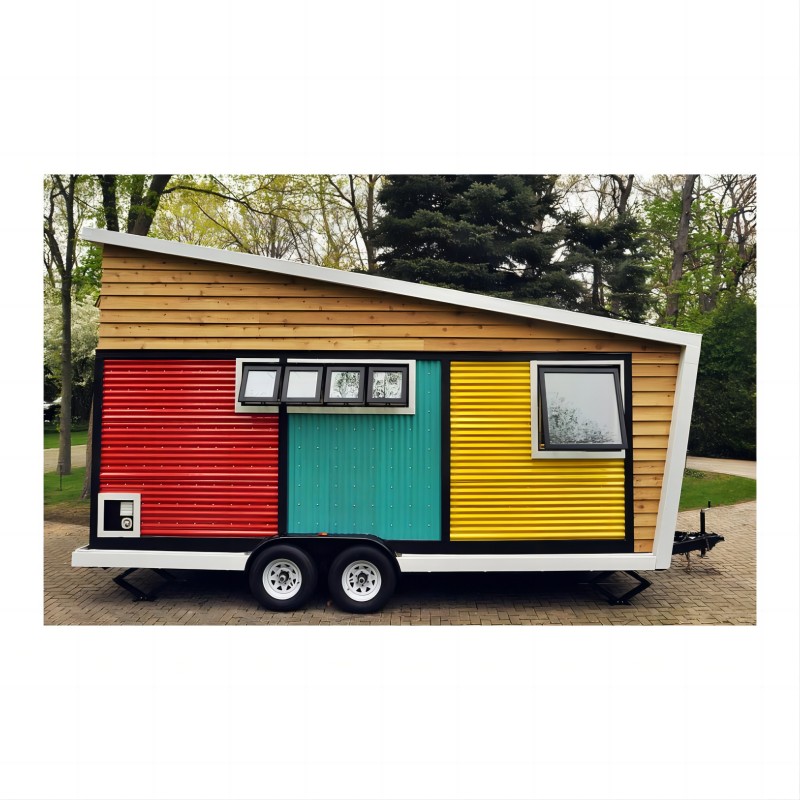
Table of Contents
- Article Outline
- Overview of Residential Modular Houses
- Design Principles and Structural Features
- Technical Parameters and Product Specifications
- Benefits and Practical Applications
- Frequently Asked Questions
- Conclusion and Contact Information
Article Outline
- Introduction to modular housing and its market relevance
- Design methodology and structural innovations
- Construction efficiency, materials, and parameters
- Environmental, economic, and lifestyle advantages
- Common customer questions answered
- Brand reference and call to action
Overview of Residential Modular Houses
Residential Modular Houses are prefabricated structures constructed off-site and assembled on location. This method reduces construction time, minimizes environmental impact, and allows for flexible design adaptations. Modular houses are increasingly popular in urban and suburban settings due to their scalability and predictable quality.
The core concept revolves around creating modules in controlled factory conditions, ensuring consistency and compliance with building codes. Once delivered, modules are assembled using specialized techniques, resulting in fully functional homes with modern amenities.
Design Principles and Structural Features
Residential Modular Houses integrate innovative design with structural efficiency. The primary focus is on modularity, load distribution, and adaptability to various climates.
- Standardized modules for simplified transport and assembly
- Steel or reinforced timber frames for structural integrity
- Insulated panels for energy efficiency
- Flexible layouts accommodating residential preferences
- Seismic and wind-resistant design options
Design engineers prioritize modular alignment to ensure stability and aesthetic uniformity, while also allowing for future extensions or modifications based on homeowner needs.
Technical Parameters and Product Specifications
Key parameters provide clarity on the performance and construction standards of residential modular units:
| Parameter | Specification |
|---|---|
| Module Dimensions | 6m x 3m x 2.8m (standard, customizable) |
| Frame Material | Steel or Reinforced Timber |
| Insulation | EPS Panels, Rock Wool, or Polyurethane |
| Roof Type | Flat, Sloped, or Green Roof Options |
| Foundation Requirements | Concrete Slab or Adjustable Pile Foundation |
| Energy Efficiency | High thermal performance with optional solar integration |
| Assembly Time | 3–7 days per unit (depending on site conditions) |
These specifications allow architects and builders to plan projects effectively, ensuring consistent quality and adherence to local construction regulations.
Benefits and Practical Applications
Residential Modular Houses offer several advantages over traditional construction methods:
- Reduced Construction Time: Factory assembly allows faster project completion.
- Cost Efficiency: Standardized production minimizes material wastage and labor costs.
- Environmental Sustainability: Modular construction reduces carbon footprint and site disruption.
- Design Flexibility: Modules can be reconfigured or expanded according to future needs.
- Quality Assurance: Factory-controlled conditions ensure consistent quality and durability.
These features make modular homes suitable for urban housing, remote site accommodation, vacation homes, and emergency housing solutions.
Frequently Asked Questions
Q: How long does it take to build a residential modular house?
A: Construction time depends on the project size and site preparation. Typically, individual modules are completed in 3–7 days, while full installation and finishing may take several additional weeks.
Q: Are modular houses durable in extreme weather?
A: Yes, they are designed with reinforced frames and weather-resistant materials, capable of withstanding wind, seismic activity, and heavy rainfall when built according to engineering standards.
Q: Can modular houses be customized?
A: Modular houses are highly customizable in layout, size, and interior finishes, allowing homeowners to meet personal preferences and functional requirements.
Q: Is energy efficiency guaranteed?
A: Yes, modern modular homes use insulated panels, energy-efficient windows, and optional solar solutions to maintain high energy performance.
Conclusion and Contact Information
Residential Modular Houses provide an innovative solution for contemporary living, combining speed, flexibility, and sustainability. With precise engineering, factory-controlled production, and adaptable design, they meet the needs of modern homeowners while addressing cost, environmental, and lifestyle challenges.
Cymdin specializes in high-quality Residential Modular House solutions, supporting a variety of applications from urban dwellings to remote accommodation. For detailed project consultation, customized designs, or technical inquiries, contact us today to explore how modular homes can transform your living environment.